


/
Home > Products > All Stoneware Dinnerware
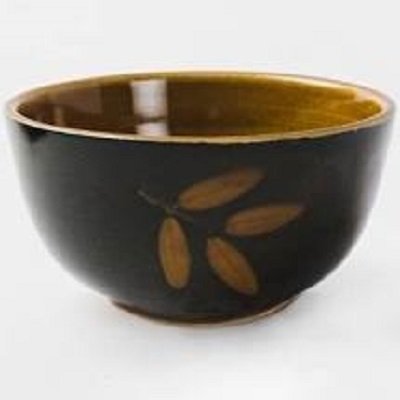
Ceramic - Dinner Plates
Keep reading to learn the ins and outs of stoneware and why it may be the right choice for your restaurant.
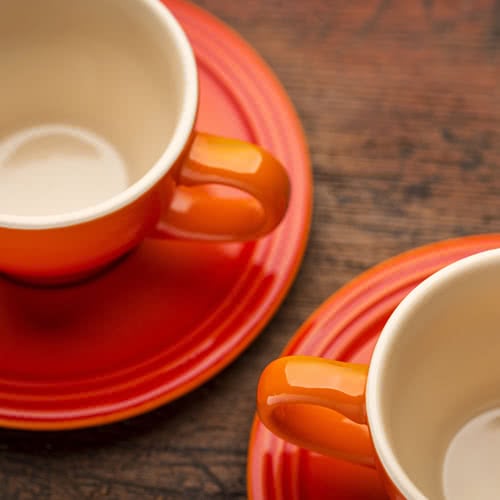
Stoneware is a type of non-porous ceramic dinnerware made from stoneware clay that has been fired at a temperature between 2150 and 2330 degrees Fahrenheit. This dinnerware often has a thicker build than porcelain and china. The relatively high firing temperature, thick build, and mix of clay and vitreous ceramic materials all help to make stoneware a durable, hearty dinnerware option for restaurants.
Stoneware is more opaque than porcelain or china because of its thicker construction and material makeup. It gets its name from the stone-like appearance this dinnerware takes on after its high-temperature firing. Before being glazed, stoneware will often have color patterns and variations similar to natural stone as well.
Much like other dinnerware, it can be glazed to have a colorful matte or glossy finish. In general, stoneware provides a rustic, earthy appearance that makes it great for casual restaurants or those looking for a farm-to-table feel.
Yes, stoneware is oven safe. Additionally, it’s microwave, dishwasher, and freezer safe. However, you’ll want to confirm this information with the manufacturer before use, as these features can be affected by certain glazes or paints.
Avoid extreme temperature changes when using stoneware. For example, do not remove the plate from the refrigerator or freezer and place it directly into the oven. This can cause the stoneware to lose some of its structural integrity or crack.
While most stoneware is dishwasher safe, you always want to avoid soaking your stoneware dishes and plates in water for any extended period of time. Even as little as half an hour can start to break down the materials and make your dishes more susceptible to breakage or chipping.
To remove tough stains or some stuck-on foods from stoneware, try making a paste out of vinegar and baking soda and gently rubbing along the surface with a damp cloth. Avoid using heavy-duty metal scrubbers, as these can scratch up the painted or glazed surface.
To remove grease from stoneware, juice half a lemon and use a damp cloth to rub the lemon juice into and around the affected areas. The acidity from a lemon, or any citrus fruit you have on hand, helps to cut through the grease and release it from your dishes.
Ironstone is stoneware that has been produced to feature a thinner and more refined appearance. It often mimics the look of porcelain, but contains the same durability and opaqueness as traditional stoneware. Ironstone is almost always glazed or painted, and it historically featured elaborately painted Ancient Chinese or Japanese scenes.
Other names for Ironstone include:
To get a better idea of whether or not stoneware may be the right choice for you, take a look at these comparisons to other popular dinnerware types below.
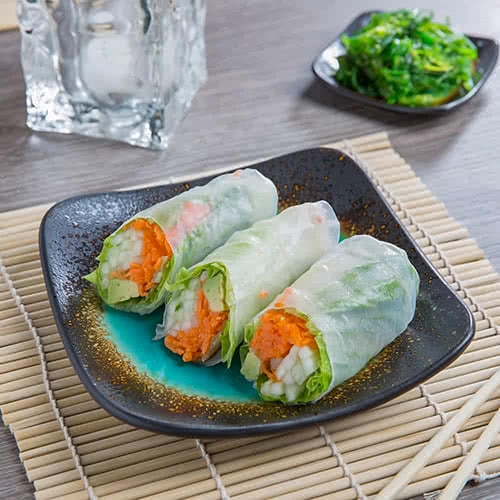
Porcelain and china are fired at a higher temperature than stoneware but feature similarly durable and nonporous constructions. Both china and porcelain are made of a finer particle clay than stoneware, which results in a thinner construction and more translucent body. Additionally, the thinner construction and higher firing temperature allows for special shaping or patterning.
Depending on the glaze, embellishments, or manufacturing process, many porcelain pieces are similarly dishwasher, microwave, and oven-safe. But, just like stoneware, you should always refer to the manufacturer’s instructions before use.
Earthenware is derived from clay and features a much more porous surface than stoneware. Additionally, it is fired at a lower temperature and must be glazed or painted before use. Earthenware is often a more economical choice of dinnerware, but it tends to chip and break much easier than stoneware. Similar to stoneware, earthenware has a rustic look to it.
Educating yourself and your staff on the dinnerware you use in your commercial kitchen can help ensure you get the most out of your dishes and plates. Stoneware is a hearty, attractive choice for many establishments. Alternatively, some fine dining or contemporary restaurants may find its thick and earthy construction out of place. After learning the ins and outs of stoneware and how it compares to other popular dinnerware types, you can feel confident in deciding whether or not it’s the right dinnerware for you.

+91 9473589108

Centa Hotel Park ,Peducha, Kohima,
Kohima, Nagaland (NL),
, India

Product or Seller ?


Enquiry

Sellers

