/
Welcome to our official platform dedicated to showcasing the exquisite traditional handicrafts, arts, and agricultural products of Nagaland. Our online B2B marketplace serves as a vital platform for local artisans, businesses, and farmers to promote their crafts and products, highlighting the diverse cultural heritage and craftsmanship of this vibrant region.Discover the beauty of Nagaland's craftsmanship and join us in our mission to promote and preserve these remarkable arts, crafts,...
01/12/2024 - 10/12/2024

19/09/2024 - 21/09/2024

20/09/2024 - 20/09/2024

01/12/2023 - 10/12/2023
13/03/2023 - 14/03/2023
30/09/2023 - 30/09/2023
20/05/2023 - 20/05/2023
02/05/2022 - 02/05/2022
06-12-2021
In collaboration with the Indian Institute of Foreign Trade (IIFT)
The Export Facilitation Cell (EFC) was launched by the Hon’ble Chief Minister, Neiphiu Rio on 17th November 2021 in Kohima, and an MoU was signed between the IDAN and IIFT. It is the first of its kind set up in the country, aside their New Delhi and Kolkata campuses. The EFC is set up at the IDAN in collaboration with North Eastern Council (NEC), Indian Institute of Foreign Trade and Centre for North East Studies (CeNEST) that will train the Entrepreneurs from all over the Nagaland, who will in-turn act as Master Trainers and train other entrepreneurs in their respective Districts.
The EFC can become a Centre of Excellence for Training, handholding and act as the Nodal point for linkage with corporate and export/import entities. The EFC is the first step towards institutionalizing a mechanism for the State to help the aspirational exporters establish partnerships, collaborations for export of local goods.
IIFT Kolkata Campus with the support of North Eastern Council (NEC) recently initiated CeNEST (Centre for North Eastern Studies) as a dedicated centre for the exclusive development of north-eastern States of India.

06-12-2021
Young sculptor from Nagaland wins NE competition
Neivito Vitsu creates a clay model of Prime Minister Narendra Modi with depiction of development at the recently concluded 7th Northeast Youth Festival, 2024 held from February 26-29 in Agartala, Tripura.
06-09-2021
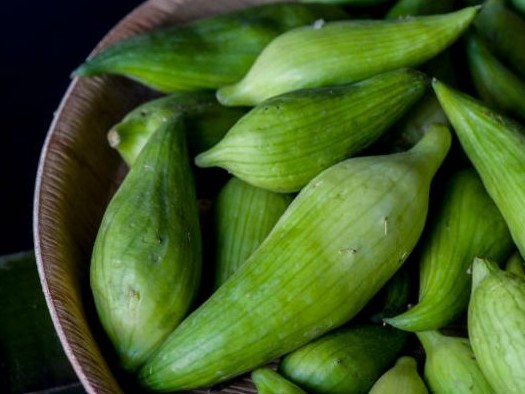
Nagaland is now prized with a total of 4 Geographical Indication (GI) Tags, the latest being “Naga Cucumber”. Naga Cucumber is an agricultural product whose application for a GI Tag was filed by the North Eastern Regional Agricultural Marketing Corporation Limited (NERAMAC) on 10th December 2018 and the product was certified on 14th September 2021
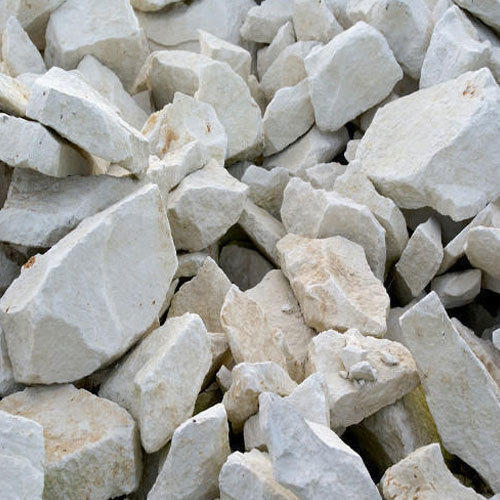
Nagaland’s huge mineral wealth largely untapped July 29, 2022 201 Views No Comment Morung Express News Dimapur | July 29 The Department of Geology & Mining, Nagaland has set sight on attracting private investment to develop the mineral resources of the state. Making that happen requires focusing on mineral exploration and generating a “systematic” database, stated the Additional Director & HoD, Er Tsuknung Jamir, at the 42nd State Geological Programming Board meeting held on July 28 in Dimapur. The conclave had in attendance the state Minister for Geology & Mining, V Kashiho Sangtam and officials from various Central government and other state government agencies. According to Jamir, the “future outlook” of the department calls for liaising with “exploration agencies”, besides planning and formulating action plan for “mineral block auction.” The mineral wealth of the state includes coal, limestone, petroleum and natural gas, multi metal magnetite ore and minor minerals like marble, granite, spillite, besides other construction materials. As per the data presented today at the meeting, Mokokchung district is said to possess some 248 million tonnes of coal with around 93 square km still to be explored in the district. Approximately 240 square km awaits exploration in Wokha, Longleng, Mon and Tuensang. Kiphire’s Mimi-Pyakatsu and Salumi Blocks is said to possess an estimated 49 million tonnes of chemical and cement grade limestone. Other sites include Wazeho, Shatuza, Moke, Pokhungri, Mollen in Phek and two potential deposit sites in Noklak. Pokphur in Kiphire; Phor, Thewati and Reguri in Phek are where multi magnetite ore is said to occur. It said that preliminary exploration is required in Phor and Thewati, while the potential site in Reguri has no road connectivity. The petroleum bearing belt stretches from the west of Peren district and till Mon. While the deposit in Changpang (Wokha) is known, “other areas yet to be explored,” it said. Given the mineral wealth of the state, which remains largely untapped, the Minister for Geology & Mining, V Kashiho Sangtam said that the Department with its expertise “will be able to generate systematic data on mineral resources and also formulate strategies.” He expressed confidence that the annual conclave would provide new insights for the Department. He also drew attention to disasters resulting from anthropogenic pressure and depleting groundwater. “I hope that the department will work effectively in formulation of judicious policies as well as implementation in order to mitigate the impending disasters.” Wazeho and Minor minerals It appears that the Nagaland State Mineral Development Corporation’s (NSMDC) Wazeho Cement Plant in Meluri, Phek, is struggling to find takers despite private investors displaying interest initially, only to back out. As informed today at the meeting, “(Wazeho) Mini cement Plant set up by NSMDC which is open for privatization.” On the contrary, in February 2021, the Nagaland Legislative Assembly’s Committee on Public Undertakings (COPU), 2020-21 recommended that the cement plant be operated by the state government. With an original production capacity of 50 tonnes per day, the plant was operational from 1992 till 2003, before the state government increased the production capacity to 150 tonnes per day, as per the NSMDC website. The expansion was completed and subsequently inaugurated in June 2008 but has since remained an idle asset. The upgrade expenditure was over Rs 20cr. Queried on the royalty on minor minerals, Minister Sangtam replied that as decided by the state Cabinet in February 2022, the Geology & Mining Department is the licensing authority, while the job of royalty collection has gone to the Department of Forests. Additional Director Jamir said that it has impacted the Department’s revenue collection but did not provide figures. Source: https://morungexpress.com/nagalands-huge-mineral-wealth-largely-untapped IN : Nagaland, Trending News
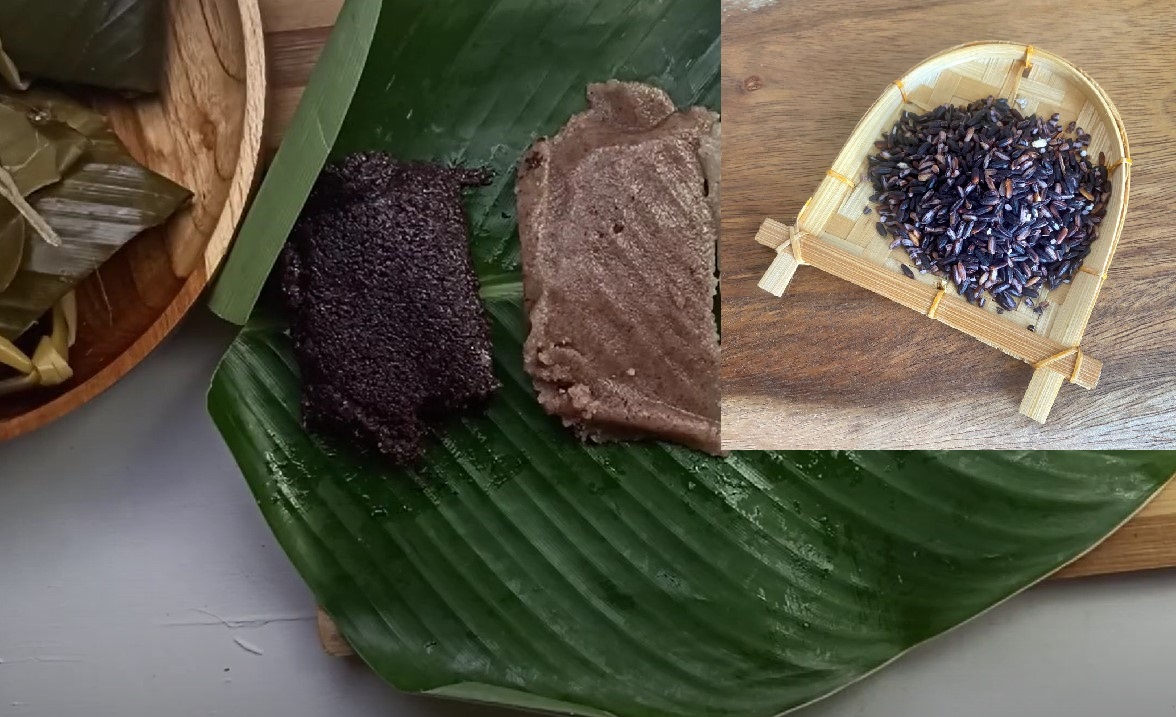
How to Cook Naga Black Rice Cakes? By jenny forbes 25/04/2023 Nagaland is a northeastern state in India that boasts a rich cultural heritage and unique cuisine. The state is primarily inhabited by various tribal communities, and each tribe has its own distinct language, resulting in more than 20 different dialects spoken in the region. Let’s delve deeper into the culture and cuisine of Nagaland. Exploring Naga Cuisine The cuisine of Nagaland is a reflection of its culture and traditions. The state is known for its love for meats and fish, which are often smoked, dried, or fermented. Naga food tends to be on the spicier side, and the Naga chilies are very famous, with various varieties grown in the region. Aside from the chilies, the Naga tomatoes, also known as Tree tomatoes, caught my eye. These tomatoes grow on trees that can reach a height of 18 to 25 feet and are a traditional food item of the Naga people. The fruit is either found singly on the tree or in clusters of 3-12, and its color varies from red to orange or yellow to purple. A Delicious Naga Dessert: Nap Naang One of the famous desserts of Nagaland is Nap Naang, a black rice pudding made with sticky black rice. Though similar black rice pudding is made in Thailand as well, the Naga version is unique due to its use of black rice cooked entirely in milk. The result is a mildly sweet pudding with a natural nutty flavor due to the black rice. To make Nap Naang, you will need the following ingredients: ¾ cup of black sticky rice 1 cup of water 2 ½ cups of milk (2% milk used in this recipe) ½ cup of sugar Here’s how you can make Nap Naang: Wash the rice and soak it for 4-6 hours or overnight in water. In the pressure cooker, add the drained rice with 1 cup of water and 2 cups of milk. Cook until the cooker lets out 4-5 whistles (about 15-20 minutes), then let the pressure release. Transfer the rice to a pan and add the sugar. Let it come to a boil and then simmer for about 5 minutes. Add the remaining ½ cup of milk and mix. Simmer until it reaches the required consistency and then let the pudding cool. Serve the black rice pudding cold or at room temperature. Unique Culture of Nagaland Nagaland is known for its vibrant culture, which is evident in its festivals and traditions. The state is home to various tribes, including Ao, Angami, Chakhesang, Chang, Konyak, Lotha, Phom, Pochury, Rengma, Sangtam, Sumi, and Zeliang. Each tribe has its own set of customs, traditions, and beliefs, making Nagaland a melting pot of cultures. One of the most famous festivals celebrated in Nagaland is Hornbill Festival, which takes place in December. This festival is a celebration of the state’s indigenous culture and features traditional dance performances, indigenous games, and various cultural shows. Language also plays a vital role in Nagaland’s unique culture. The traditional languages of the state do not have their own script, and it was the Christian missionaries who introduced the Roman script for these languages. Conclusion Nagaland is a unique state in India that boasts a vibrant culture and cuisine. The state’s traditional languages do not have their own script, and the cuisine is a reflection of the state’s love for meat and fish, with Naga chilies and Naga tomatoes being the standout ingredients. Naga cuisines are a hidden gem in the culinary world, with its unique flavors and ingredients that are sure to excite any food lover. From the fiery Naga chilies to the nutty black rice pudding, Naga cuisine is a feast for the senses. So, if you’re looking to explore new cuisines, be sure to give this Naga cuisine a try. https://www.ambrosiaorganicfarm.com/blog/how-to-cook-naga-black-rice-cakes/
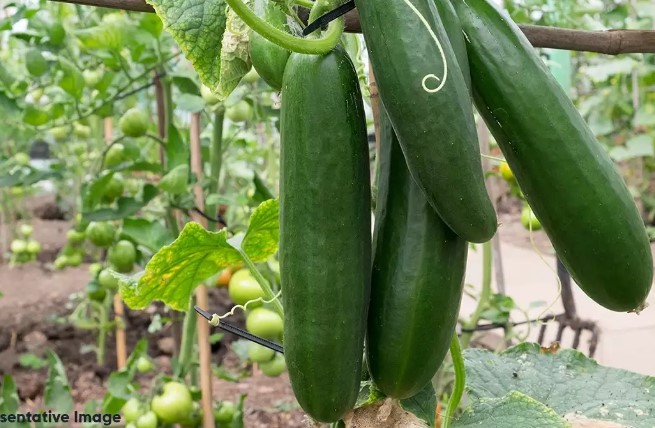
In addition to discovering new species of plants, vegetables, fruits, animals, birds and insects within rich Naga land, today a new kind of cucumber species is brought to light which is believed to exist only in Nagaland in the land of Konyak tribe. Cucumber is one of the most awaited fruit for Konyak people every year. It is called “MAIKOH” which literally means “give(Koh) to beloved(mai)”. Interestingly, a story is attached to the origin of this particular name. The story says that ‘in a distant past a group of young man from Murung (man’s dormitory) went to the jungle and discovered the fruit. They tasted it and found out that it was juicy and harmless so, they decided to take it back to their lovers. This gave birth to the name ‘Maikoh’ ever after. Cucumber is a short duration cucurbits that matures within the month of 3-4 months. It is grown organically in the land of Konyak with high production. Konyak people plant cucumber all throughout the year by seed to seed method depending upon the soil type. The best time of planting is considered to be in the month of January- February and harvest in the month of May to August every year. Different varieties of cucumber are grown in different villages depending on the climatic condition, soil type and elevation. Mon area is best known for cucumber production every year. So far two types of cucumber have been found in the land. They are ‘Hollow and Closed’ type cucumbers. It can be categorised by its features cited below. 1.Closed Cucumbers a. Koh-angya (queen of cucumber): It is Juicy, soft, sweet and green in colour both externally and internally. During its growth and prime time to consume, the ring round the seeds is deep green in colour. When it gets ripen the green ring becomes yellowish in colour. Despite changes in sizes and colours the taste remain the same until decay though little changes will occur in the percentage of water contain. Most Konyak people call it queen of cucumber. This type of cucumber is usually found in moderate and cold climatic areas. Villages like Hongphoi, Tuimei, Mon, Phoktong, Shenghah Lampong and Wangla are known for producing ‘Koh-angya’ cucumber. The size varies from 5-7 cm in circumference, length:1 feet or longer. b. Koh-nyan (creamy -yellow cucumber): Koh-nyan is juicy, mildly hard, sweet and light green in colour internally and externally. During its ripening stage it changes colour to creamy yellow. Though fully ripen, taste doesn’t change but, the fruit gets harden with less juice. Villages like Shangnyu, Nyasa and Zangkham are rich producers of such cucumbers. Approximate size of these cucumbers is circumference: 20cm, length: 1 foot or longer. c. Koh-sah (Small-cucumber): Koh-sah is smaller in size (approx. circumference: 4-5cm, length: 8-9 inches). In its young stage it is green in colour internally and externally and has a sticky fluid. It is also juicy, soft and sweet during consumption period. During it ripening stage the outer becomes off-white in colour and also the fruit turns little hard with less juice. Koh-sah is found in villages like Tuimei, Hongphoi and Phoktong. d. Koh-khe (reddish- brown cucumber): It is green in colour internally and externally. It is very juicy and sweet but mildly hard. When it is fully ripen the outer cover turns to complete deep yellow in colour and its seeds arena becomes orange in colour with white seeds within. In its full grown stage it gives a very sour taste. This cucumber can be preserved without preservation chemicals for more than a month without much change in size and water contain for off seasons. Villages like Longwa, Tizit area, Shangnyu, Yuching are rich producers of this type. Its circumference is approx. 25cm and length is 1 feet or longer. 2.Koh-kha (Hollow-cucumber): Koh-kha is mildly hard with small star shaped hole inside. It tastes sweet and Juicy. In its growing stage its is complete green in colour. When it gets ripen the colour turns to yellow externally and internally with reddish brown colour at the base and taste little sour. Its circumference 22-23 cm and length is approx. 1 feet and above. Villages like Shangnyu, Tang and Longwa produce this type of cucumber. Konyak Naga Usages of Cucumber: There can be umpteen usages of Konyak Naga cucumbers but below are some few usages prevalent to Konyak Naga. Konyak people use cucumber for medicinal purpose especially to control gastritis. It has an excellent cooling effect. They consider it as a fruit. They make salad out of it. Koh-khe (reddish- brown Cucumber) is used as a vegetable too. Konyak Naga cucumber is one kind of fruit that differs in taste, shapes and sizes from those available in other parts of India and probably in the world. It is an amazing fruit available in Nagaland that needs further attention for the benefits of all. This peculiar fruit will be available on the following Wednesday Bazar Super Market, dated 28th June 2017. Dimapur Nagaland. Lemei Chingkai Konyak Medical Area, Mon Town Nagaland https://easternmirrornagaland.com/konyak-naga-cucumber/ Updated: Jun 24, 2017 11:42:51 pm By EMN
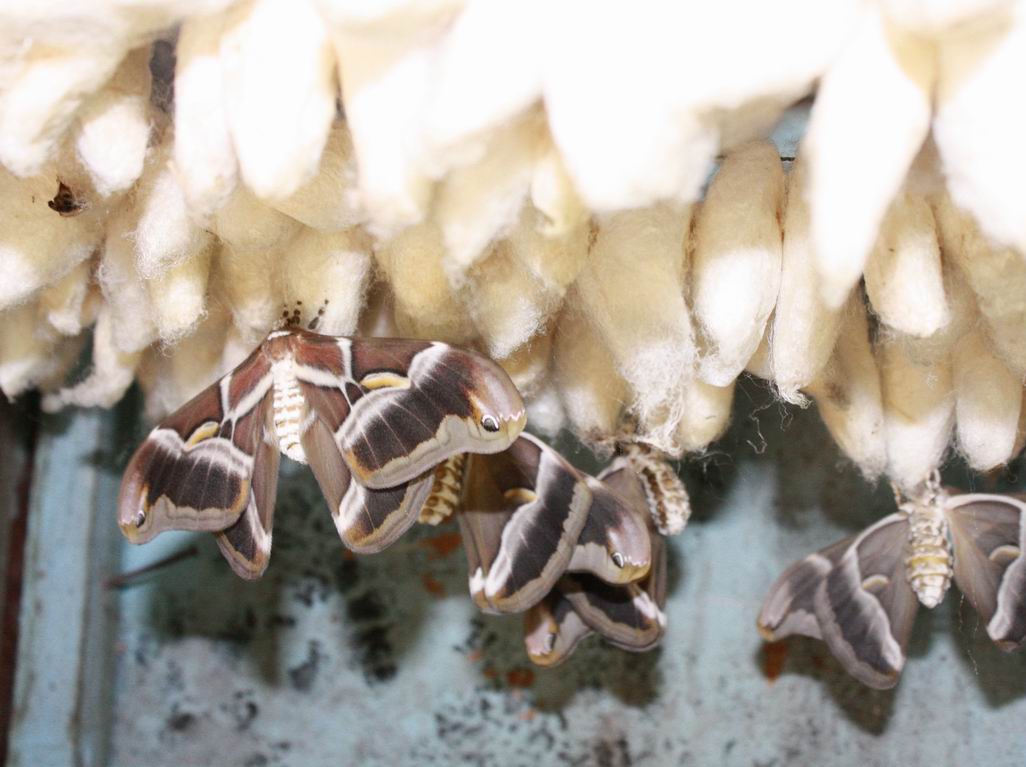
Techniques of Rearing Silkworm Rearing of Eri Silkworm, Samia ricini (Donovan) Rearing house Eri silkworms are reared indoor. The plinth area 10 m x 5 m size rearing house having tin or thatch roofing with 1.5 m varandah all around is ideal for accommodating 100 dfls for commercial silkworm rearing per crop. Rearing house should be well ventilated and fly proof. Disinfection and prophylactic measures Disinfection before and after each rearing is considered the key for a successful cocoon harvest Disinfect the rearing house at least 7 days before and soon after the rearing. Disinfection should be carried out on bright sunny days. Wash the rearing houses and appliances with 5 % bleaching powder solution before rearing. Sprinkling of 2 % bleaching powder-lime mixture in the surroundings of the rearing house is equally effective. Fumigate with 5% formaldehyde solution under high humid condition. Open the room after 24 hours. Windows and ventilators should be kept open for proper aeration and free circulation of air. Season: Rearing can be done throughout the year. However, March-April and September- October are the best seasons for eri rearing. Egg incubation: Incubate the dfls at 24-26°C and 75-85% relative humidity. Brushing Wash hands with 2% formalin solution and then with water. Brush newly hatched worms on tender leaves (preferably castor) during morning hours. Use paraffin paper and water soaked foam pad in rearing tray to maintain temperature and humidity. Late stage rearing Rear maximum 300 nos. of 5th instar worms per 3 ft x 3 ft diameter tray. Low cost bamboo platform rearing equipment is the best for rearing late stage worms considering the limited rearing space and frequent bed cleaning. The structure with 6ft (L) x 5.5 ft (H) x 3 ft (W) dimensions can accommodate 25-30 dfls. Feeding Feed 1st instar worms on tender, 3rd and 4th instar on semi-matured and 5th instar on matured leaves. Feed the worms’ minimum 4 times a day with castor or kesseru leaves. Bed cleaning : Resort to bed cleaning daily. Ripe worm collection Ripe worms become yellowish white and start roaming for selection of site for cocoon formation. While picking up the matured worms and rubbing in between fingers, a sound of hollowness is produced. Mature worms are collected and put to cocooning mountages. Besides traditional Jali, bamboo chandraki, bamboo stripe type mountage and plastic collapsible mountage are used for cocooning Source: Package of practices of Muga, Eri and Mulberry Sericulture for North Eastern region of India, 2005, Central Muga Eri Research & Training Institute (CMER&TI), Lahdoigarh, Jorhat, Assam. Dr. M.C. Sarmah, Shri B.N. Sarkar, Shri S. A. Ahmed, Dr. K. Neog, CMER&TI, Lahdoigarh.
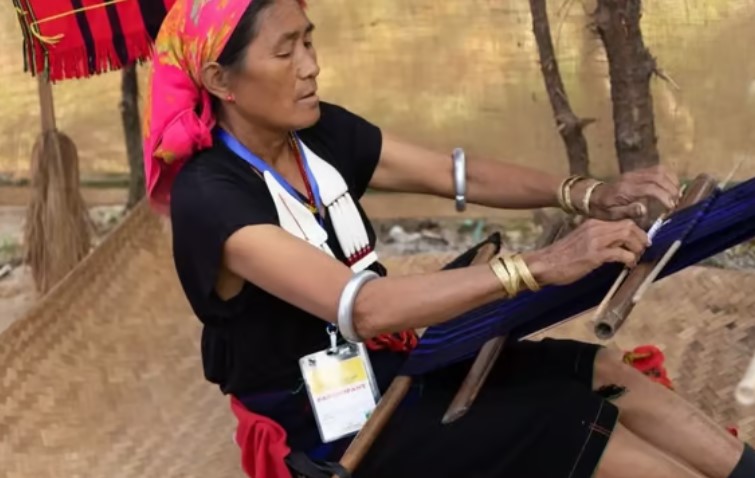
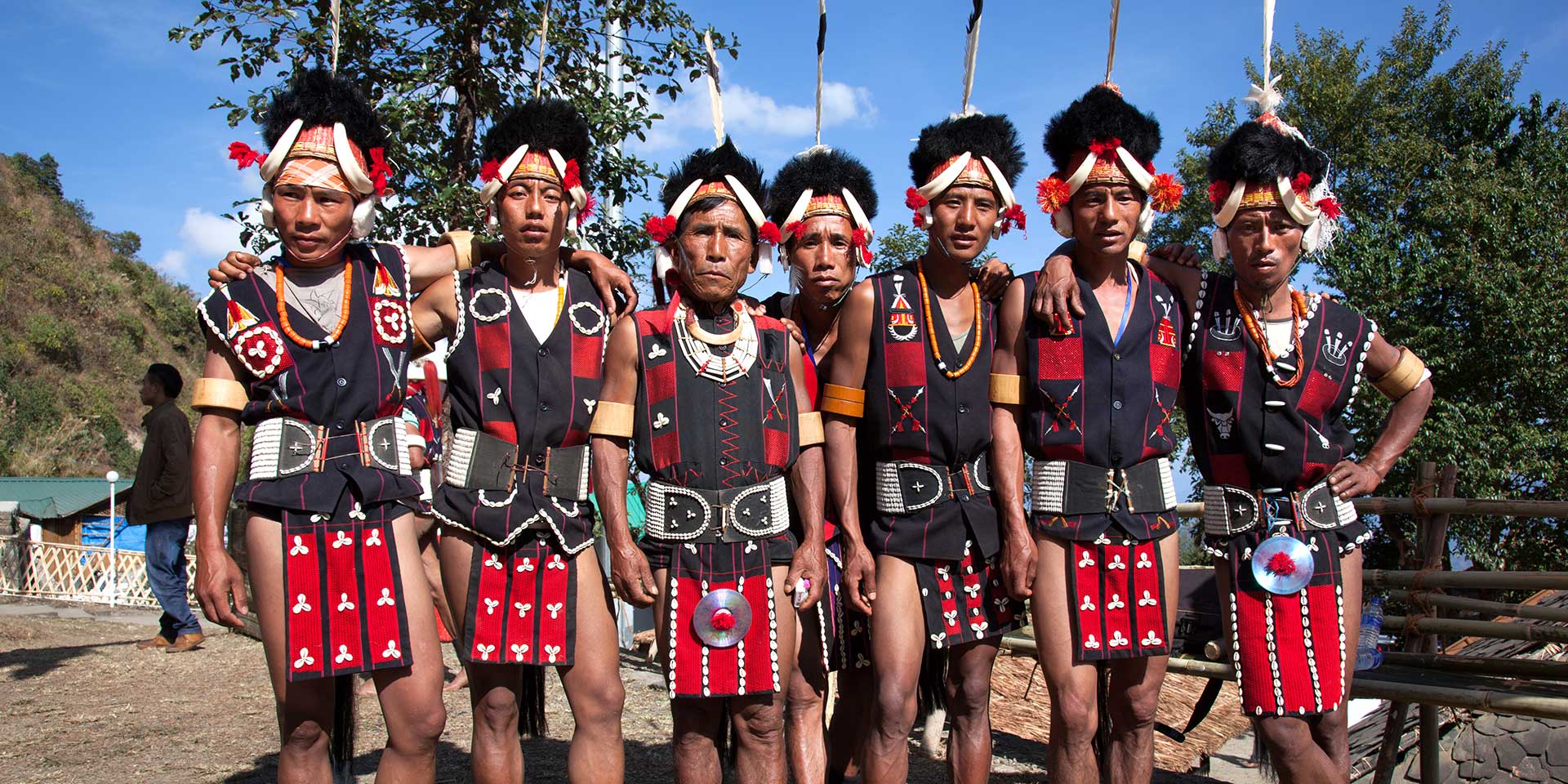
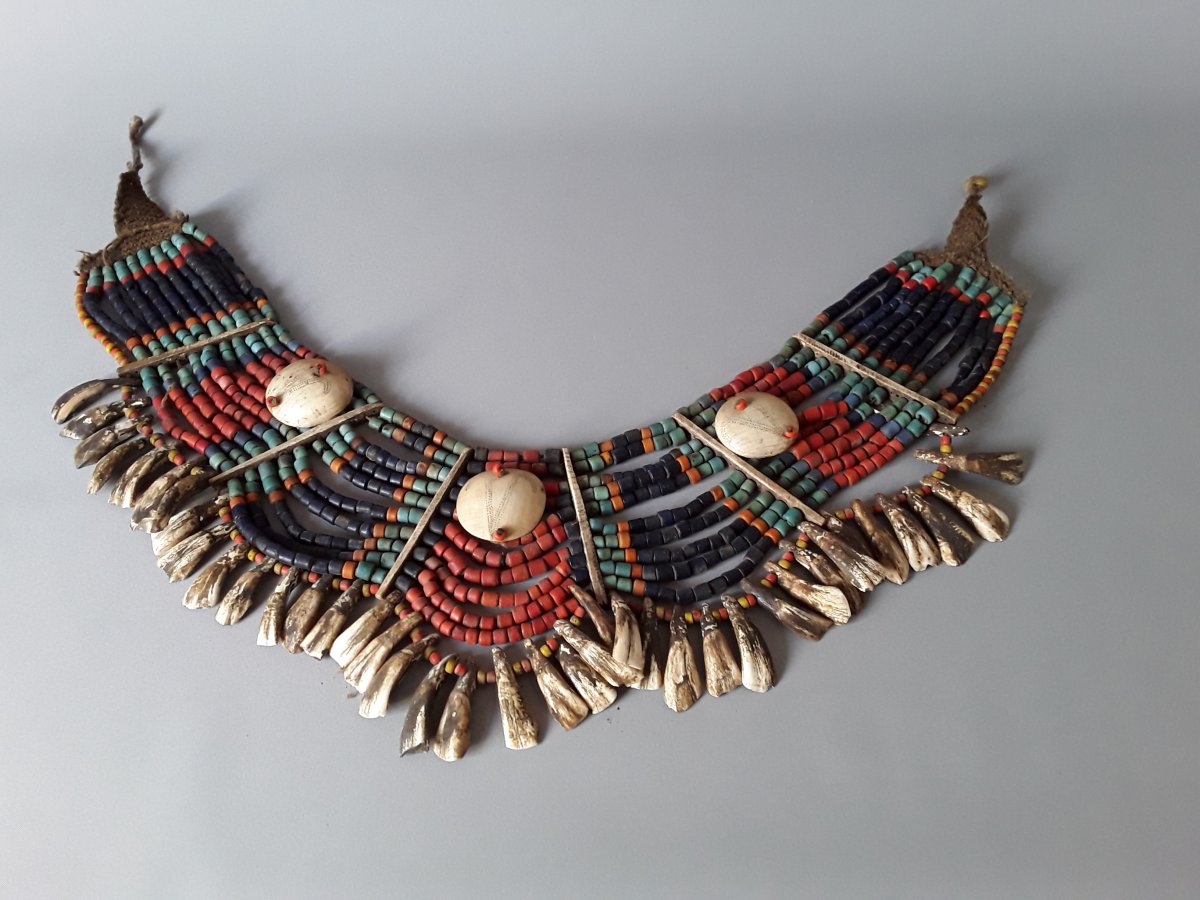
The 16th state of the Union of India, one of the seven sister-states of the North-East, Nagaland, lies on the Naga Hills, which rise from the Brahmaputra valley. Also known as the falcon capital of the world due to its primary roosting site of the Amur Falcon, Nagaland is a finely woven tapestry of natural beauty, and human habitation, so ancient that its origins are untraceable. The 17 tribes of Nagaland are spread across 16 administrative districts, and each tribe has its own specially patterned handloom textile, jewellery, and ceremonial headgear. The Naga are experts at weaving shawls on the loin loom or the shuttle loom especially the Naga women. During the agricultural off-season, many turn to weaving at the loin loom, the three pieces of a shawl stitched together. Naga women are expected to learn to weave. They predominantly use yarn dyed red or black (depending on the viscosity of the dye, it could be a very dark blue also) and rarely has stripes of other colours mixed in. Cotton and wool are the favoured yarns; however, these are all store-bought, since growing cotton has almost ceased in the state, along with spinning the thread for the weaving. Each tribe weaves as per the patterns and motifs vital to it. Each type of shawl is heavy with meaning and purpose. These usually depict the epitome of a human trait, a designation or profession, an honour bestowed, or an entitlement received. However, in the non-Naga world, the most famous shawls are the warrior shawls. All shawls are woven per strict rules regarding motifs, pattern uniformity, colour codes, etc. A deviation from the rules is said to bring ill luck upon the wearer. The Ao tribe has a distinctive shawl, the tsungkotepsu. It has a dark base, with a horizontal white stripe, with black, red, and white bands on its sides. On the other hand, is the rongsu. This shawl, a densely-patterned weave, can only be worn by a man whose grandfather, father, or himself has offered a sacrifice of the Mithun, now the state animal of Nagaland. The chuchusubangsu shawl of the Mulir tribe, on the other hand, is worn by their men as a right. Thin blue bands run on either side of a white band embroidered with a red lozenge-shaped motif, and all bands are across a red base. The blue bands indicate the number of heads that the wearer has taken heads in war and also offered a feast of merit. Shawls of two tribes, Chakhesang and Angami, are similar to each other since the Chakhesang are Eastern Angami. The khonoma, a shawl with a spear motif, can only be worn by the warrior men of the Chakhesang tribe. The loukaisa shawls, woven and worn exclusively by women, are colourful and very popular. Then there is the shatni shawl of the Konyak tribal woman, which she wears on her wedding day and then is draped in it when she passes on. While red is the colour of the shawls for men, a young Naga woman’s shawl must not be red, as it is believed to bring her a violent death. Therefore, red will be seen only on women who are advanced in age. credit: https://www.outlookindia.com/travel/weaving-a-story-the-handloom-shawls-of-nagaland-news-242783 The motifs on the woven fabric are usually embroidered but can also be painted-on. The sami lami phee, is an excellent example of embroidery on Naga shawls. These are Angami Naga shawls and are gifted to warriors by the leader, and usually have forest animals embroidered on a dark base. The Lotha, Ao, and Rengma tribes paint on the shawls created by their women. The paintwork is done exclusively by the older men of the tribes, and they create the motifs freehand. Natural-born artists, the Naga people have been bestowed with the best of both nature and skills, and yet, the handloom, and arts and crafts sector, are hurting for want of investment and direction. For the weavers, good quality yarn is difficult to acquire either due to unavailability or high rates, leading to the financial instability of the craftsmen, as expensive raw materials lead to high-priced goods which may not retail well. For now, the unique handloom products of Nagaland occupy pride of place in the homes, offices, and galleries of a select few.
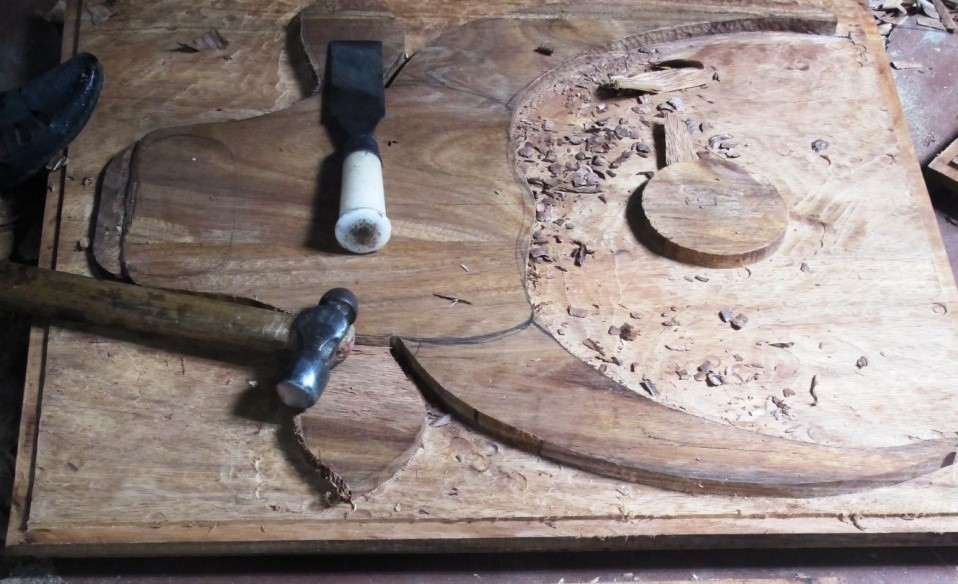
Woodcarving Craft of Nagaland: An Overview Published on: 31 January 2018 Ritu Varuni https://www.sahapedia.org/woodcarving-craft-of-nagaland-overview Trained as an architect, and with many years of experience behind her, Ritu Varuni runs her own design studio E'thaan in New Delhi and Himachal Pradesh which specializes in wood and bamboo crafts and hand skills. In Nagaland, woodcarving as an art form relates largely to architecture and ritual practice and has been the forte of most of the 17 major Naga tribes in both eastern and western parts of the state. Wood craft is traditionally practised only by male members of the community and continues as such even today. However, the Naga, Konyak, Phom and Angami communities are especially noted for their amazing woodcarving skills. All the other tribes have similar skills, but are distinguished by signature styles with marked differences in the usage and portrayal of designs and symbols. In the past every male member of the community had some sort of basic woodworking skills; nowadays, the skill is confined to specialist master artisans who have made it a livelihood or profession. Motifs of bison or mithun and human heads are common to all tribes, but degrees of use vary. Nagaland as a whole, is vibrant with a rich architectural wood craft tradition which has its roots in an animistic past: a lost culture of magnificent huge wood-carved building façades and village gates with the mithun or Indian bison horns and head dominating all else with their immense visual appeal. The mithun head and house horns were the most powerful wood-carved elements, especially among the Angami and Chakhesang and to a lesser extent, the Ao and Sumi (Sema) tribes. However, among the Eastern Nagas like the Konyak and Chang, woodcarving lent itself more to human figurines and heads as fertility symbols and hornbill motifs which had a special significance in the social hierarchy of the time. The hornbill was the elite symbol of the Ang or village chief, who enjoyed a divine status in the Konyak tribe who inhabit Mon district lying at the northern tip of the state. A lot of animal motifs like those of tiger, elephant, monkey and snake were depicted besides the inevitable mithun and the hornbill. Each animal was symbolic of a particular quality or character that was highly regarded in those times, like courage, strength, fighting prowess. Besides these, there were many other woodcarved motifs that found place on the totem-like front posts, or walls of chiefs' houses or men’s dormitories called the morungs. There were breasts that spoke of love conquests amongst the Sema chiefs, meat chunks that represented feasts of merit given by the house owner, and sun, star and moon representations as natural spiritual elements, and daos (multipurpose machete) and spears praising the warrior status and prowess of the morung members. The men’s dormitories (morungs) had the most elaborate and impressive of wood carvings and distinct architectural styles and were positioned in special sites in the settlement. Door and gate wood carvings deserve their own category in the wide domain of Naga wood craft. They are not only magnificent in style and treatment but have an awe-inspiring girth and scale which is unmatched in the rest of India. Beautifully styled and often coloured in black, terracotta and white pigments derived from natural sources, they proclaimed the status and power of the house owner or the village itself. Besides architecture, wood craft finds a place in the daily life of the Nagas, where it is a huge part of the traditional kitchen and tableware as well as furniture. In the vast array of tableware, the most commonly found objects fashioned wholly out of wood are beer mugs, bottles for the traditional rice beer, cooking and serving spoons, ladles, plates and platters, troughs, barrels, and numerous other items of daily use. Salt and containers with bamboo-shoot lids for dried food were smoked and kept above the fireplace and often embellished with cane binding or straps. Low stools, tables and beds were fashioned out of massive pieces of solid wood, and were literally scooped out of the wood chunk without jointing of any kind. This crafting style characterises all of Naga wood craft, which is basically sculpted out of solid trunks or pieces of wood. Earlier, before the forests lost their thick cover of tropical green, wood was easily available and accessible to all. At times, the wood used for furniture and in architecture was the huge hollock or hollong tree trunk and at times teak. Leikai is another commonly used tree for carving houses. However, now teak is the naturally preferred wood for craft. In smaller craft items, gamari soft wood is used more frequently due to the ease of carving on it, and also due to its ready availability on plantations. The dao or machete, hammer and chisel were the only tools used in woodcarving in the past and continue to be the major tools today. The first step of the traditional woodcarving technique is to trace the drawing onto the wood with a pencil. Thereafter the chisel is hammered at a practised angle to scoop out chips in relief, as per the design. It is basically a sculpting action that creates the relief work on a flat thick plank. For sculpted columns, an entire tree trunk was used in its natural form and simply patterned with carving on its surface area all around. However new hand and machine tools and techniques have crept in and made a place for a more sophisticated version of wood craft, and hence are able to attract more youth towards this version of the traditional craft. Naga woodcarving is massive in form and scale yet graphic in its representations. It’s stark unique beauty is square and crude-edged with a geometric sensibility, with surface texturing being the most common decorative treatment. As a whole there is an undefined style that has its own identity. Over a thousand different mithun-head designs are rendered across the state and its various tribes, each more beautiful than the next and equally endearing. Stories of the past are scripted in the wood carvings of yesteryears, of war exploits, feasts and myth. They speak of a generation that understood the land and forest and had a simple pride in their civilization. In most parts of Nagaland, with the exception of a few interior areas of the eastern Nagas, a lot of the old architectural wood carvings have disappeared as many villages were burnt down during the British era. In later years during the height of insurgency in the '50s, the Indian army contributed to the destruction, when they conducted flushing-out operations and resorted to the same violent modus operandi as the British. With changes in the social context and technology, the craft has developed an economic avatar which pays lip service to traditional motifs but is obviously completely disconnected from its past form and meaning. There is a revival of sorts in some recent architecture which seeks to mimic the symbolism without its context. It even changes material at times, as the woodcarving style is translated into concrete and stone expressions. As the new context looks for new expressions and new ways in wood craft, design elements are being introduced in the craft to preserve its spirit and revive and renovate this age-old skill. What now remains as mute testimony of the past is only a tiny glimpse into a once magnificent tradition, that struggles for survival in a new world and milieu. Bits and pieces of a lost world.

Product or Seller ?


Enquiry

Sellers
- Honorable Prime Minister
India- Governor
Nagaland- Chief Minister
Nagaland- Chief Secretary
Nagaland




- Honorable Prime Minister
India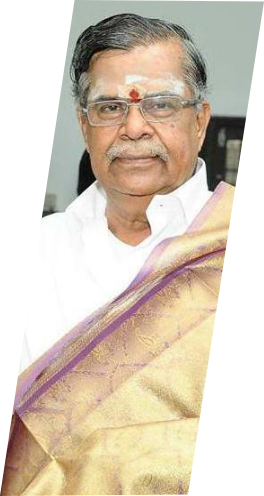
- Governor
Nagaland
- Chief Minister
Nagaland
- Chief Secretary
Nagaland